






















Receiving is the handover between purchasing and use. Intact packaging does not establish that every quality requirement has been met, while complete paperwork does not remove the need to inspect the goods. A useful receiving record explains what arrived, which batch it belongs to, who checked it and what happens next.
Verify delivery information before unloading
Compare the purchase order, delivery note and product labels. Confirm the product, quantity, packaging and batch identifiers. When several batches arrive together, identify and record them separately wherever possible. This prevents confusion after storage. Record obvious water, odour or contamination issues in the vehicle and discuss how they should be handled.
Understand the limits of visual and sensory checks
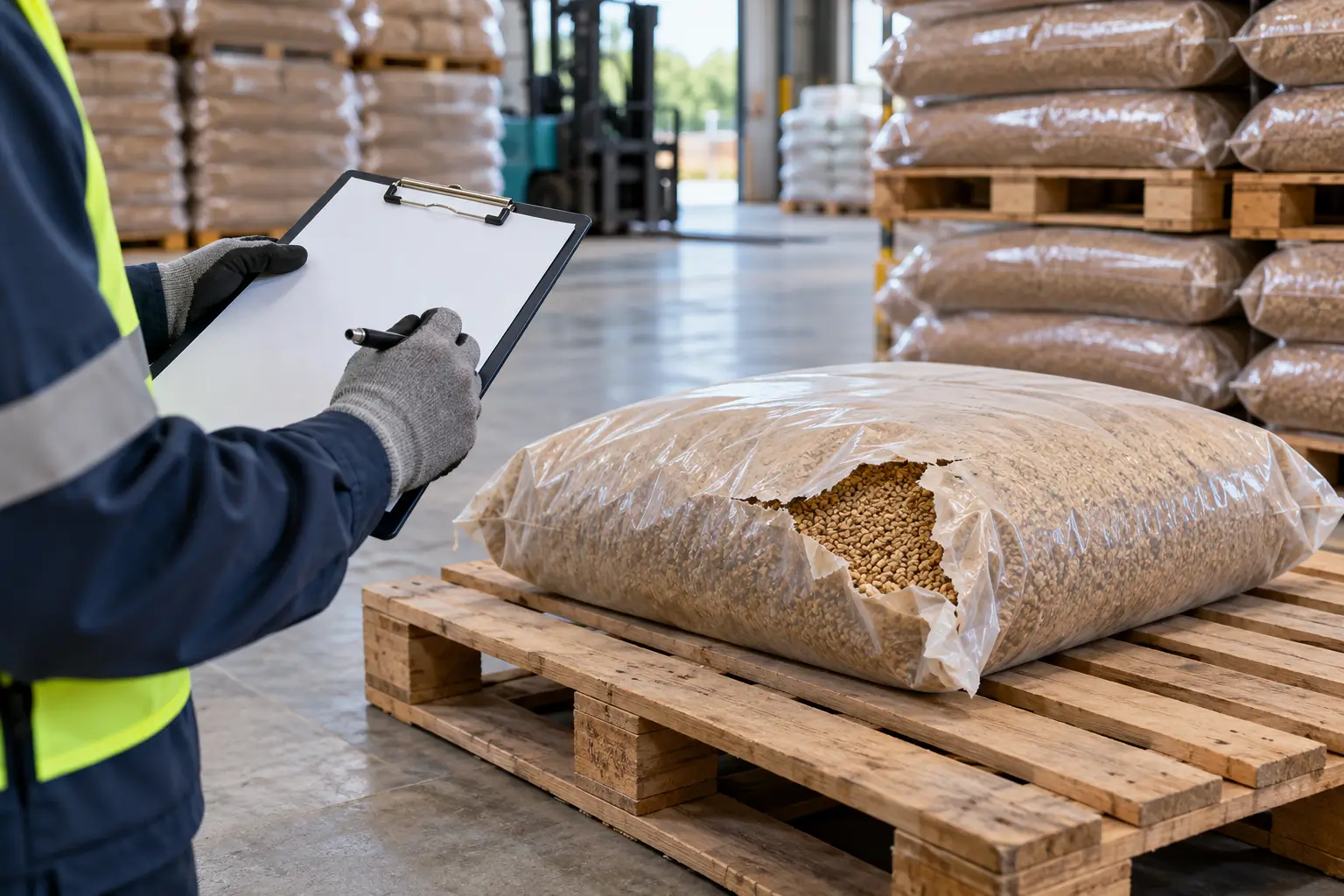
Inspect bags for damage, moisture and leakage, and check that labels are legible. Do not dismiss caking, unusual odours or foreign material as normal without assessment. Photograph the issue, record its location and extent, and refer it to quality personnel under the agreed procedure. Colour and odour provide clues but do not independently establish nutritional content or safety.
Take samples that represent the batch
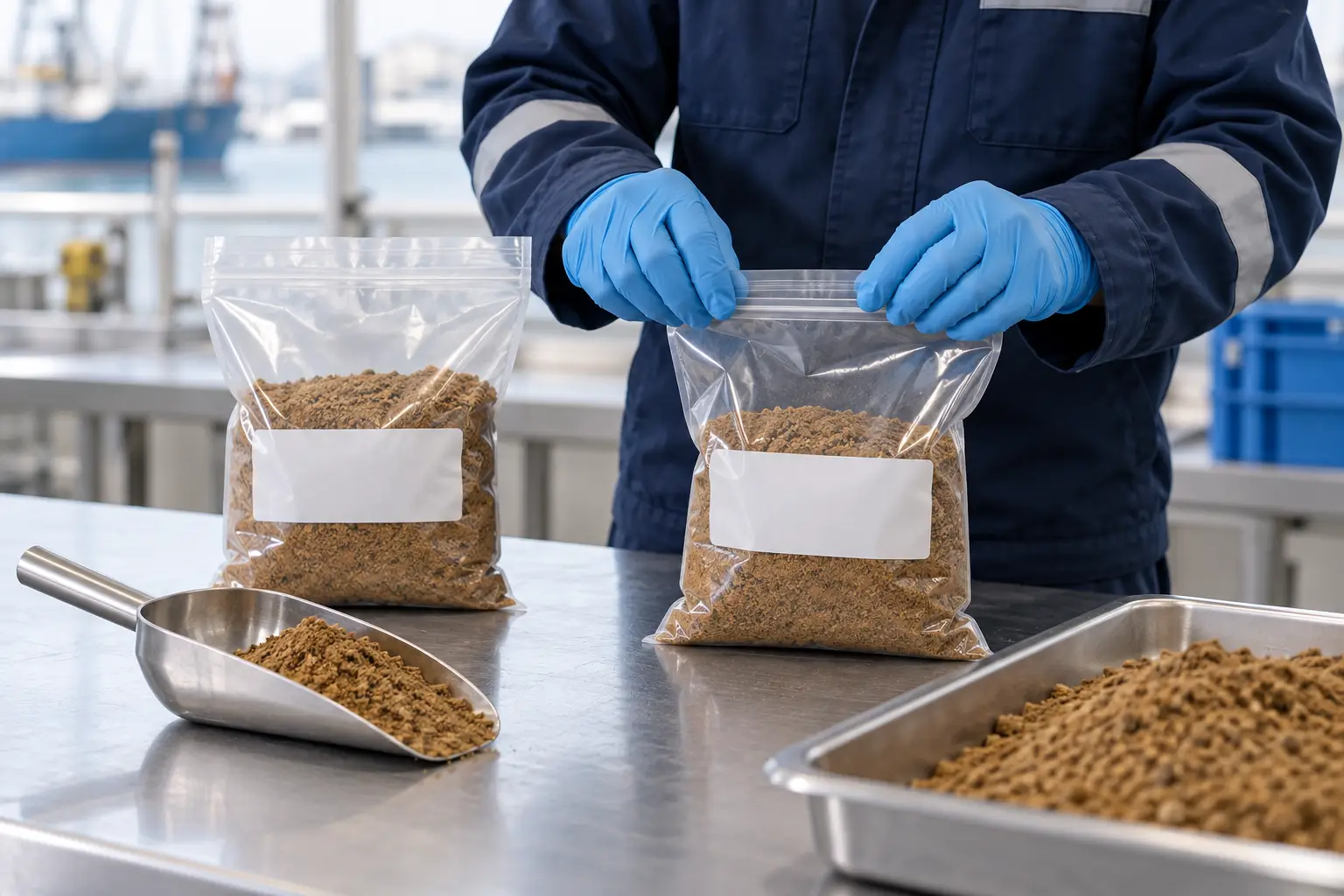
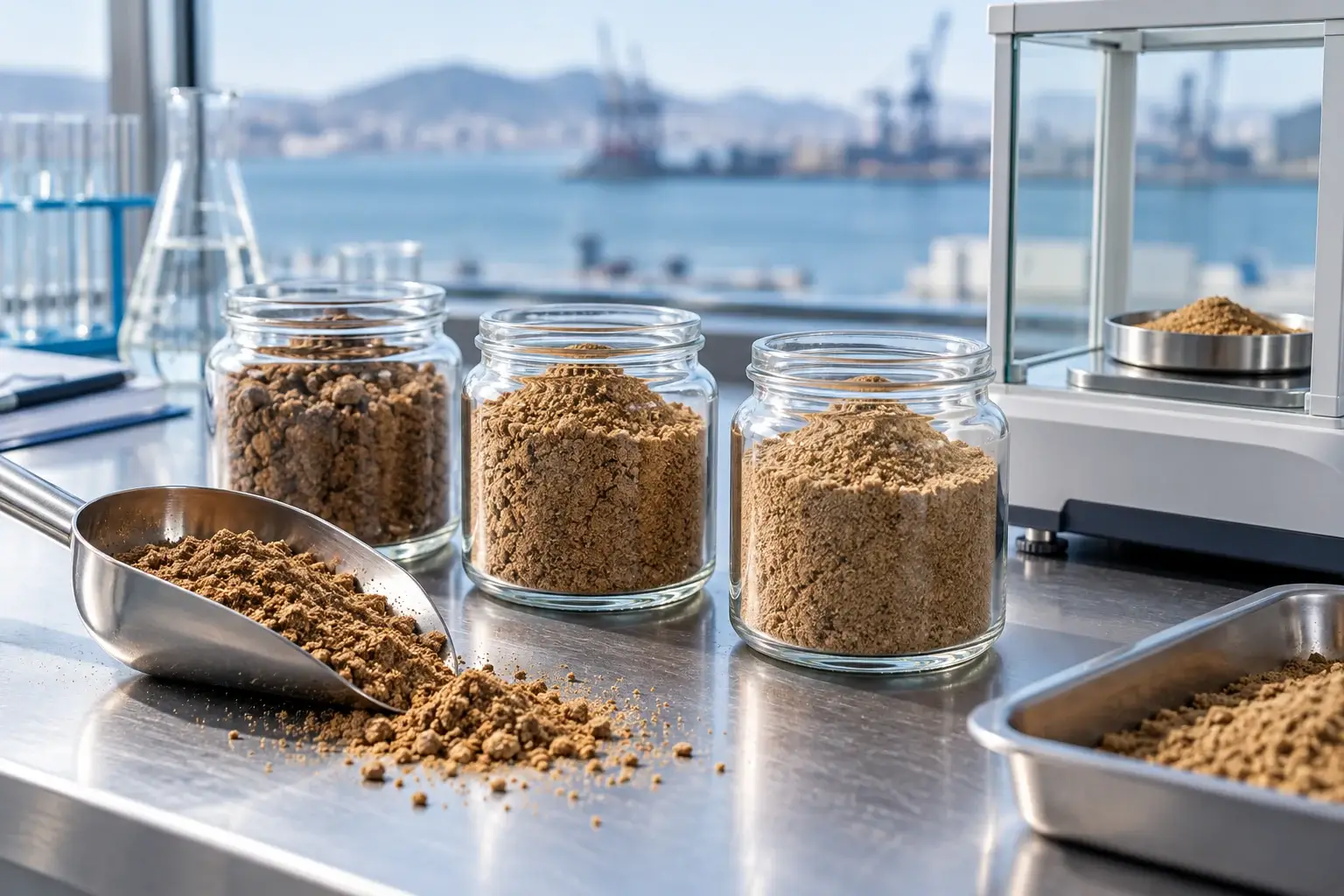
A sample from the most accessible bag may not represent the whole delivery. Sampling locations, quantities, tools and preservation should follow the applicable method and the business's quality procedures, with competent personnel carrying out the work. Avoid cross-contamination during sampling and splitting; tools that have contacted the floor or another ingredient should not be used directly for the sample.
Sample labels should identify the product, batch, sampling time, sampler and corresponding receiving record. Retained samples also need sealing and storage records. Determine sample quantity and retention period from applicable requirements and the agreement rather than using an unsupported universal figure.
Connect document review to release
Compare batch test documents with the agreed parameters and check for missing results or inconsistent units. Goods awaiting verification should have a clear hold status. If a discrepancy occurs, preserve batch boundaries and evidence before deciding on retesting, return, replacement or another agreed action. Avoid mixing the goods into production before the issue is assessed.
Records worth retaining
- Order and delivery-note numbers, arrival time and transport details.
- Package quantities, batch numbers, labels and photographs.
- Inspection findings, discrepancy locations and affected quantities.
- Links between sampling, retained samples and test documents.
- Release or corrective-action decisions and responsible personnel.
These records help purchasing, warehouse staff, quality teams and suppliers discuss the same goods. If you raise an arrival issue with Haili, include batch identifiers and receiving records to support the review.