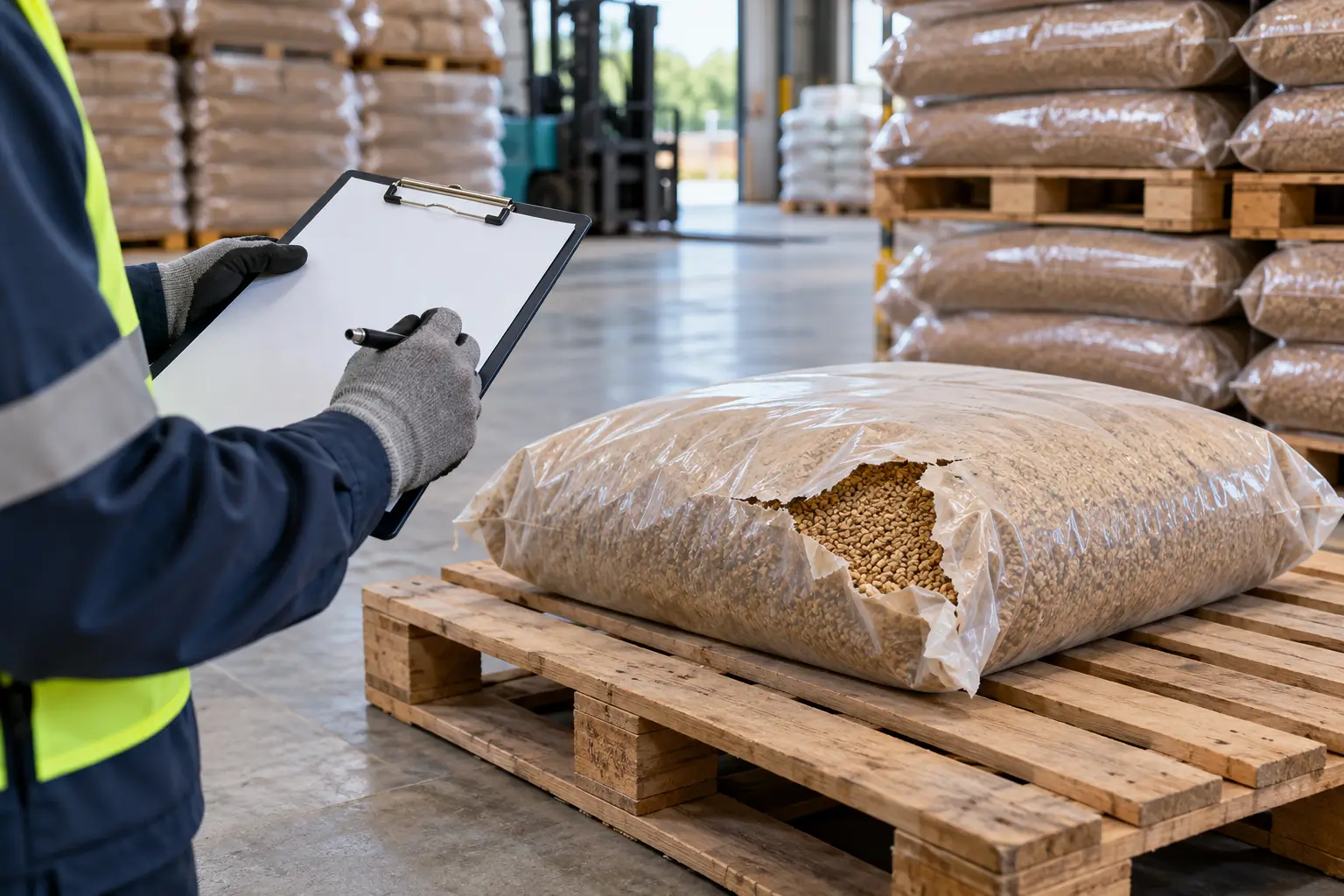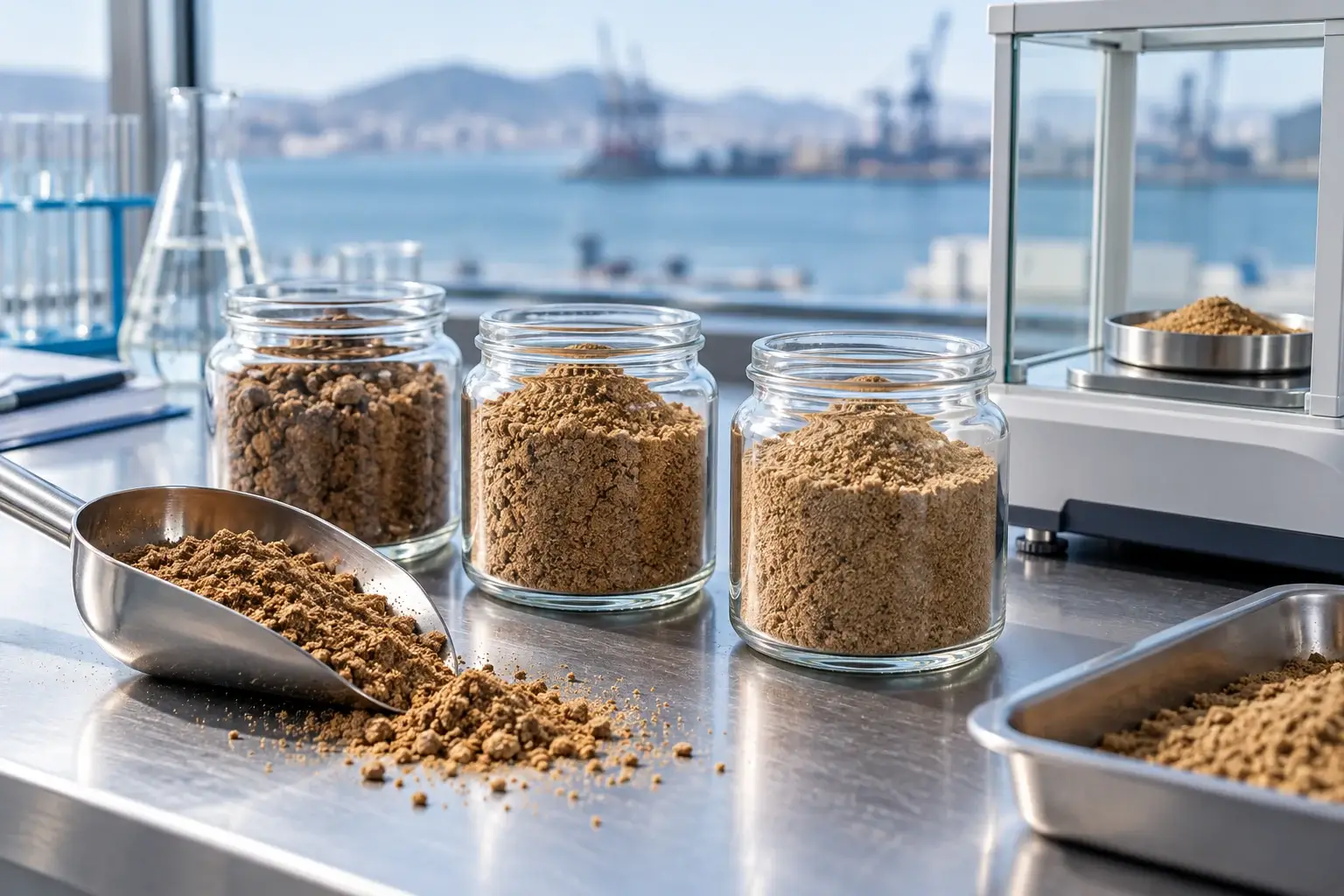






















A small fishmeal sample does not automatically describe an entire delivery. Its source, sampler, batch identity and storage history determine what conclusions it can support. A retained sample is useful because its relationship to the delivered material can still be explained later, not simply because a bag was kept.
Distinguish the sample's purpose
An introductory sample supports discussion of appearance and application. A batch-linked sample supports an agreed evaluation. A retained sample for later verification also needs agreed sealing and custody arrangements. These are management distinctions used in this article, not universally prescribed labels.
Record the intended use and limitations. Do not relabel an early discussion sample as belonging to a supply lot that has not yet been confirmed.
Discuss representativeness before collection
FAO laboratory guidance emphasises representative sampling. In purchasing practice, a convenient scoop from a bag opening should not automatically be assumed to represent the whole lot. Sampling and analytical quality
Suitable sampling points, increments, mixing and reduction depend on the material, analytical purpose and applicable method. Competent personnel should determine the procedure. No fixed bag count or sample weight in this article is intended to cover every shipment.
Give the sample an identity record
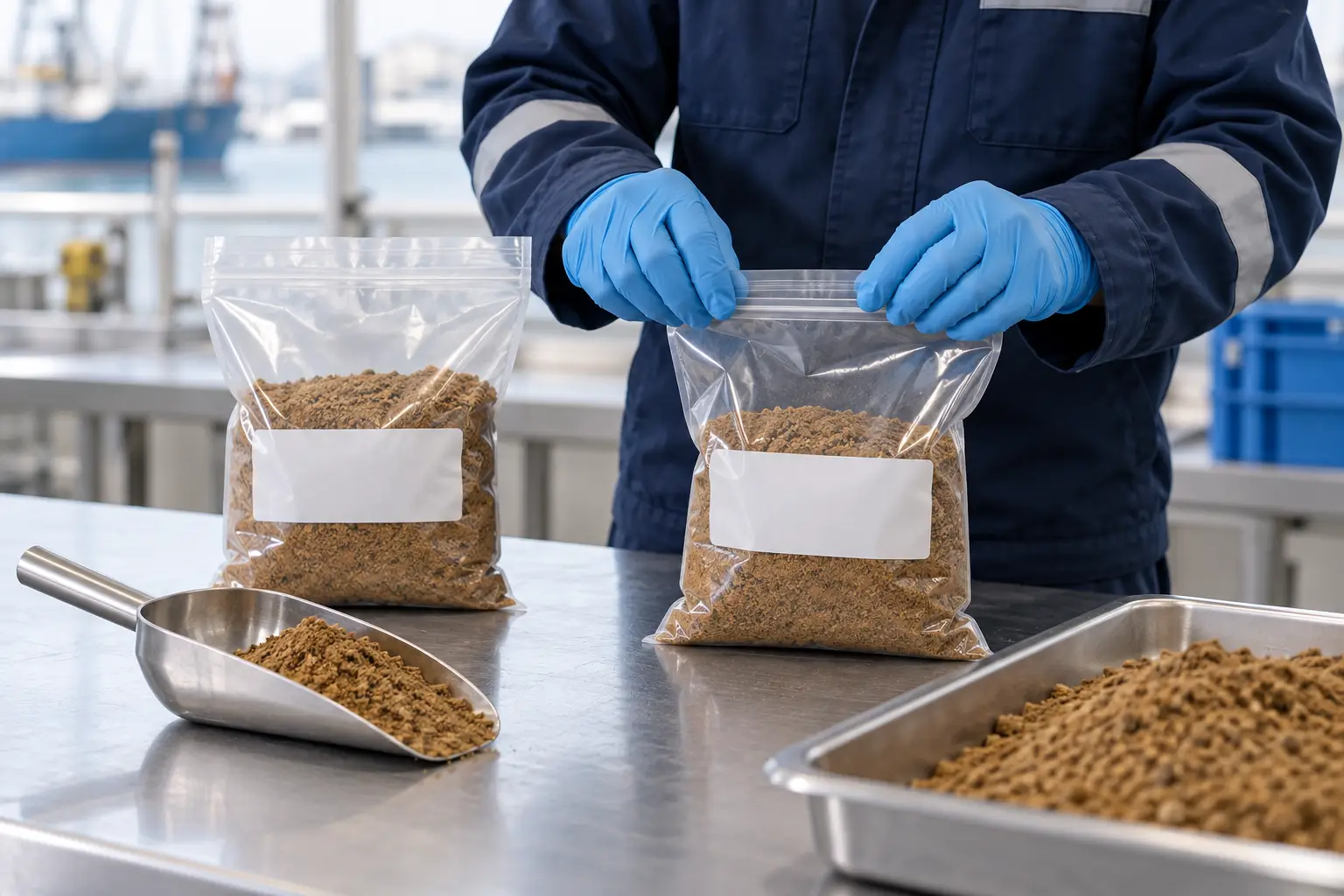
Record the product, supplier, batch or defined material covered, sampling date and location, sampler, procedure and sample identifier. Include quantity, packaging, seal condition, intended laboratory and requested analyses. Describe sub-batches separately rather than mixing them before establishing their identity.
The identifier should connect to an order, receiving record or verifiable delivery documents. Photographs can support packaging and seal checks, but do not replace the sampling record.
Agree distribution and storage
- Identify the portions supplied to each party and laboratory.
- Confirm sealing, transport and protection from moisture or contamination.
- Establish the product or method instructions governing storage.
- Agree retention period, custody and opening conditions.
- Define how broken seals, insufficient material or missing records are reported.
A previous retention practice is not a permanent rule. If the testing purpose changes, ask the laboratory whether the sample remains suitable. Do not assume one retained portion supports every type of analysis.
Check the identity chain before a dispute escalates
Establish whether both parties are discussing the same sample, supply lot and analytical parameter before deciding on retesting. Haili can discuss sample and document coordination for actual products. Where external testing is needed, sampling and custody arrangements should be confirmed beforehand.