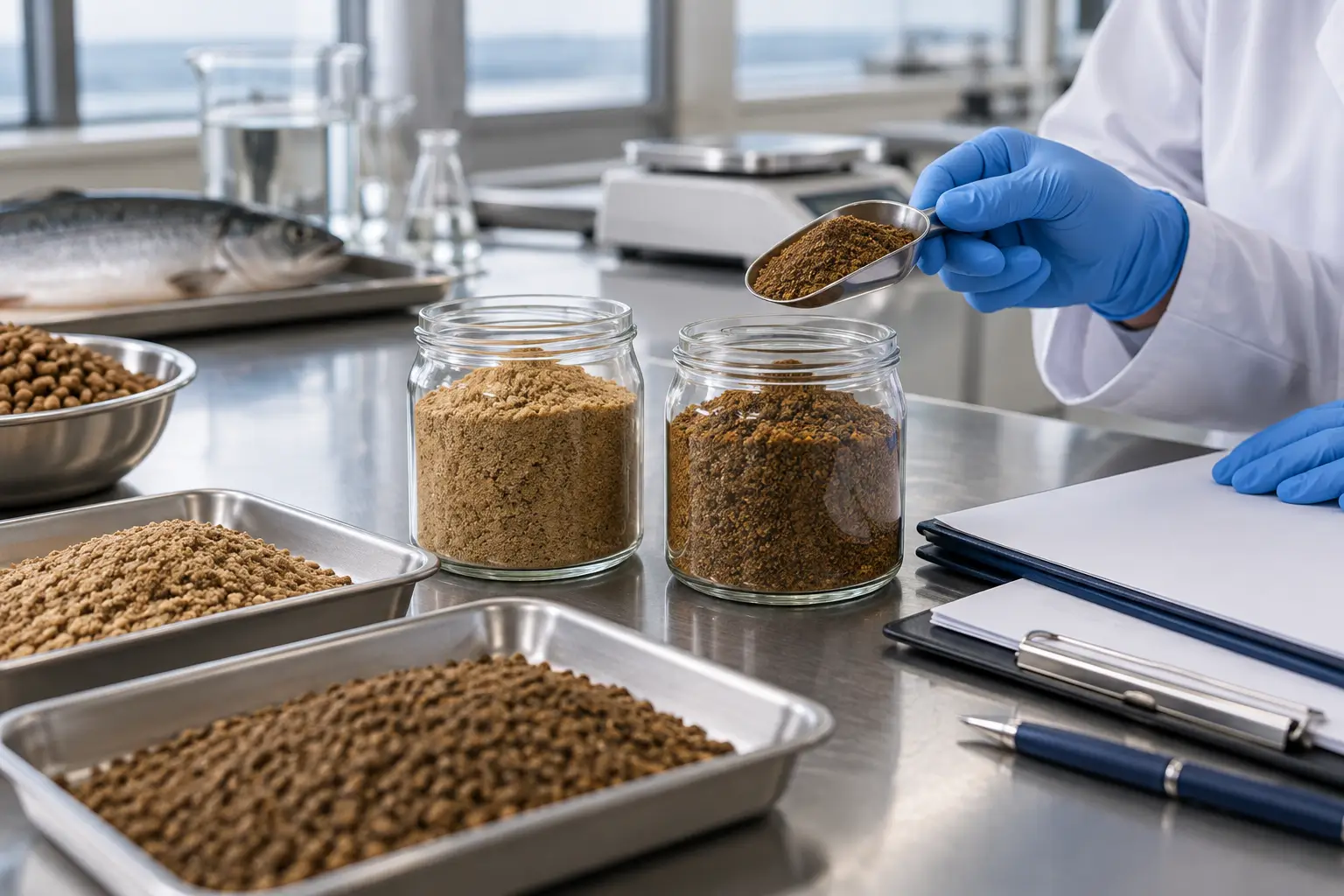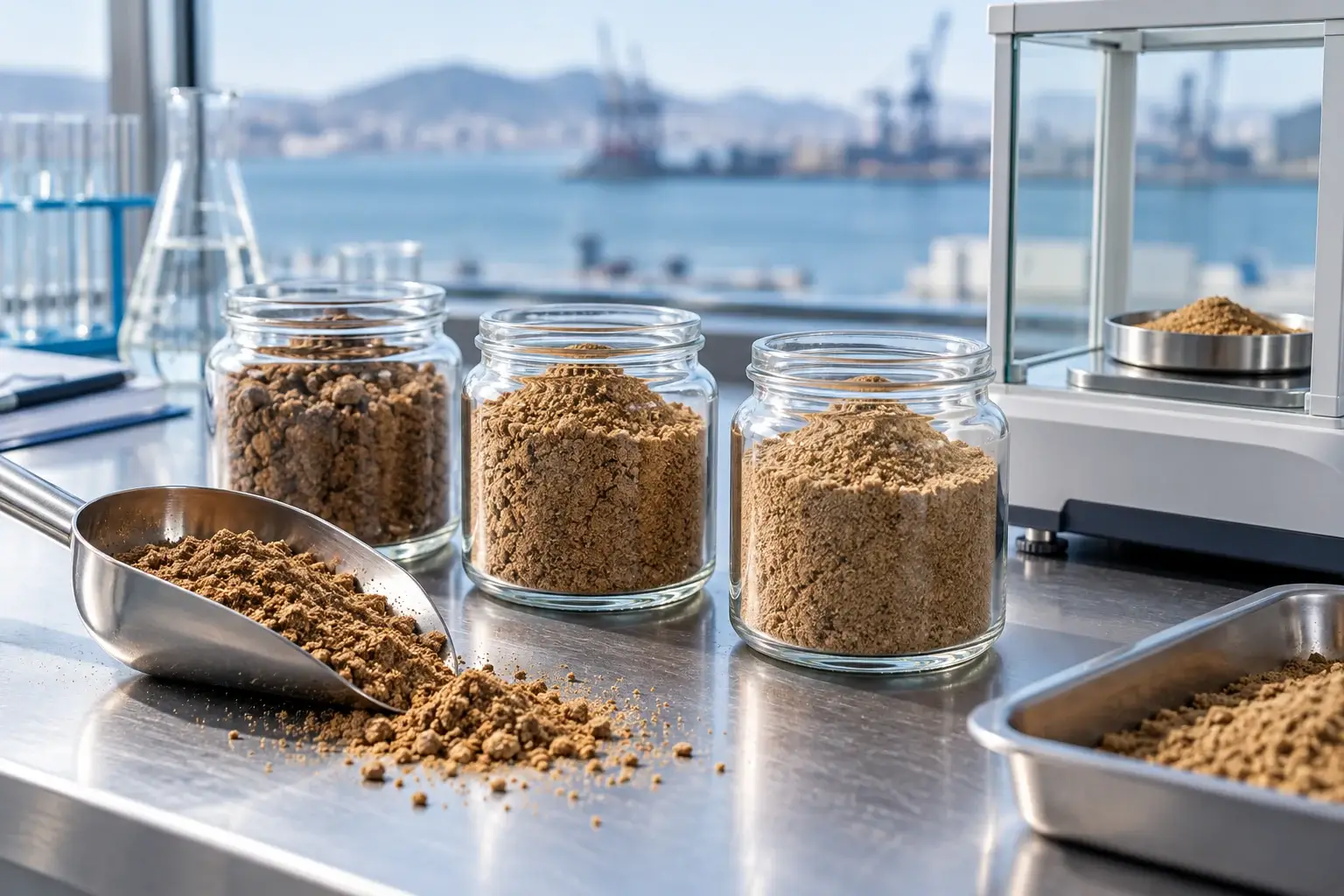






















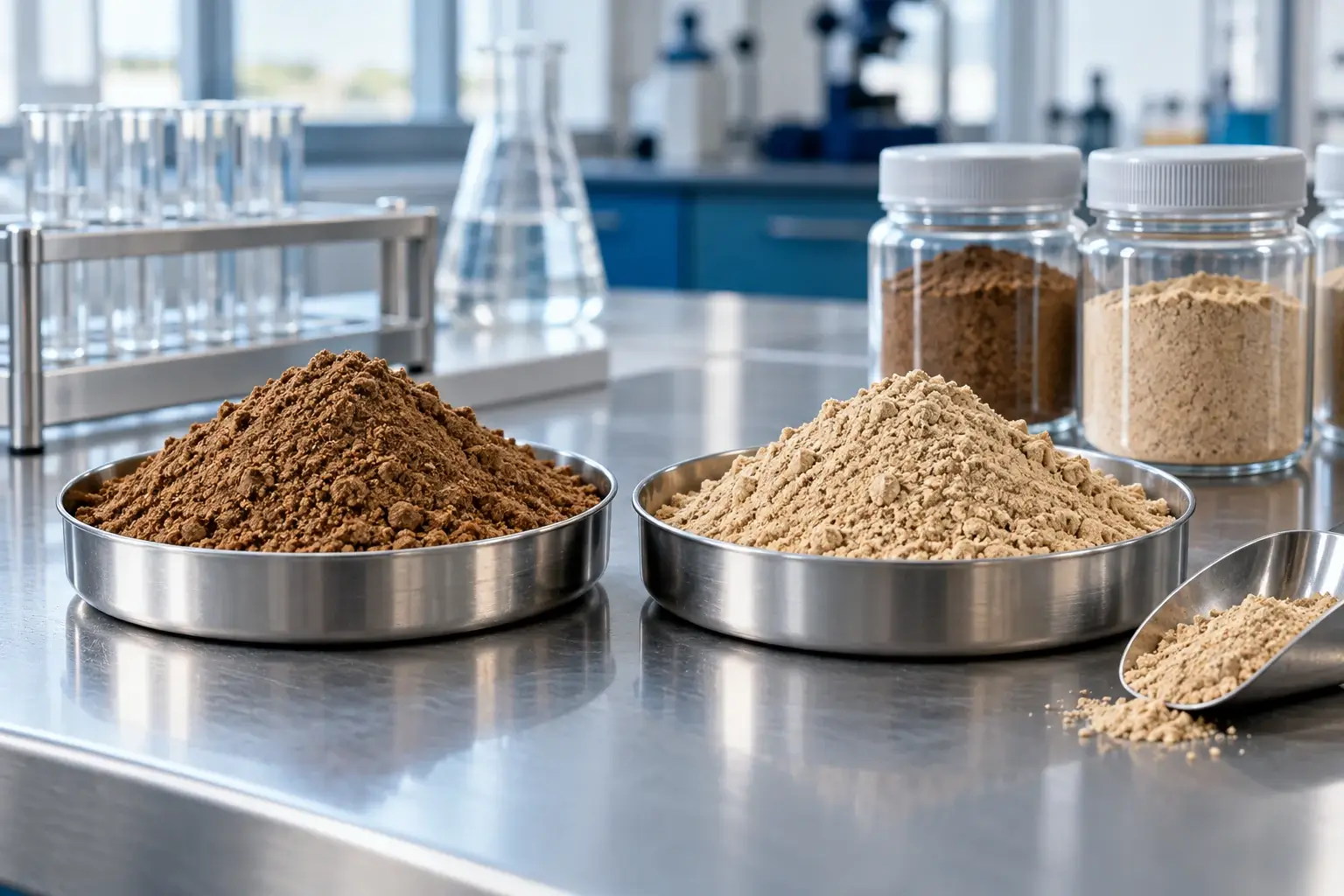
Fishmeal and poultry meal are animal protein options for pet food formulations. Purchasing requires an understanding of composition, quality and supply consistency, not just the product name. The term “pet-grade” does not replace product information, test documents or formulation assessment.
Establish the source and product definition
Suppliers may use similar trade names for products with different origins and processing descriptions. Confirm the animal source, product category, producer and relevant ingredient information. Where a particular animal-source requirement or restriction applies, ask for supporting documentation rather than relying on the name or a photograph of the sample.
Fishmeal and poultry meal should not be treated as interchangeable simply because their crude protein figures match. Formulators need amino acid, mineral and other composition data to assess suitable combinations.
Connect protein data to the formula
Crude protein can be an initial selection parameter. A fuller assessment may require amino acid composition and information on digestibility or utilisation. Ash, calcium and phosphorus should also be interpreted in the context of the overall formula. Meeting one ingredient parameter does not mean that a material independently meets every nutritional requirement of a cat or dog.
FEDIAF's nutritional guidelines address dog and cat food nutrition; they are not certification of an individual bag of fishmeal or poultry meal. Keep finished-food formulation targets separate from ingredient quality requirements, with competent formulation and quality personnel reviewing both.
Include quality and consistency in supplier assessment
In addition to composition, review the relevant safety, hygiene and storage information for the product and purchasing needs. Test documents should correspond to the purchased batch. If historical reports are supplied, clarify whether they illustrate typical values or support the current batch. These are different purposes.
For regular purchasing, record key parameters, packaging condition and usage feedback. A successful sample does not remove the need to check subsequent deliveries. Continuing records provide a clearer picture of supply variation than a single trial.
Connect sample evaluation to purchasing
Before requesting samples, explain the intended use, document requirements and evaluation method. Confirm sample identity and how the results will inform selection. At order stage, reconfirm the category, batch, specifications and delivery conditions. Do not assume that a trial sample and the commercial shipment belong to the same batch.
Points to confirm with the supplier
- Product definition, animal source and processing description.
- Protein, fat, ash and other formulation-relevant composition data.
- Testing parameters, report batch numbers and sampling details.
- Packaging, storage guidance and expected supply arrangements.
- The relationship between sample evaluation and shipment acceptance.
Haili offers imported fishmeal and pet-grade poultry meal. Discuss product information and purchasing arrangements around the needs of your particular formulation.